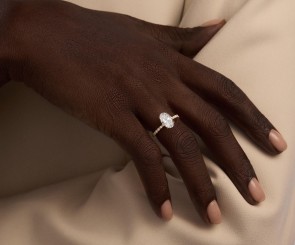
What sets them apart is simply how they are made, the ethical and social considerations in their creation, their environmental footprint, and finally their value.

Lab-grown diamonds are formed in labs using HPHT or CVD methods that replicate the Earth’s natural diamond-forming environment. Mined diamonds, created over billions of years deep within the Earth, require environmentally destructive processes including explosives, heavy machinery, and large-scale excavation.

Lab-grown diamonds are conflict-free, with transparent supply chains and safer, regulated workplaces. They significantly reduce workplace injuries and avoid unethical practices tied to mining.In contrast, mined diamonds often pass through opaque supply chains and are linked to conflict
zones, child labor, and community displacement.

Lab-grown diamonds have a much smaller environmental footprint—consuming less water and energy while generating far fewer emissions and waste. Mining disturbs massive land areas, produces extensive pollution, and causes long-term ecological damage.

Lab-grown diamonds cost up to 40% less, while offering the same grading standards and superior clarity in many cases. Elaia offers high-quality lab-grown diamonds (color D-F, clarity VS1+) at a more accessible price. Mined diamonds retain a higher price due to perceived rarity but offer no difference iphysical or optical quality.